

Cable Selection Guide (Malaysia): PVC vs XLPE, Copper vs Aluminium, Armoured vs Non-Armoured
Choosing the right electrical cable isn’t just about price. In Malaysia, cable selection affects safety, heat performance, lifespan, compliance with Suruhanjaya Tenaga (ST) and long-term maintenance cost.
In this guide, See Kwong breaks down the real-world differences between the most common cable choices used in Malaysian homes, shops, and factories — without overcomplicating things.
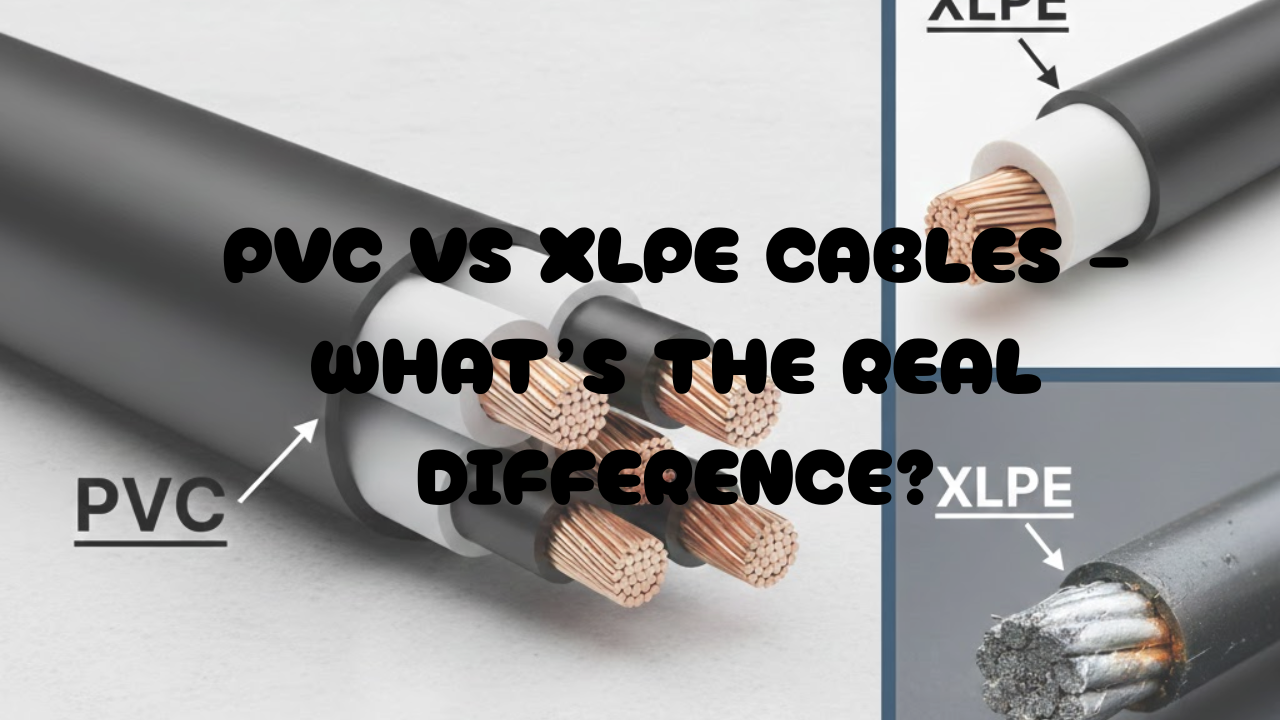
1. PVC vs XLPE Cables – What’s the Real Difference?
This is usually the first decision engineers, contractors, and electricians make.
PVC (Polyvinyl Chloride) Cables
Common in: Houses, small shops, light commercial buildings
Pros:
Lower cost 💰
Easy to install
Widely available in Malaysia
Suitable for normal indoor wiring
Cons:
Lower heat resistance
Shorter lifespan under high load
Not ideal for hot environments
Typical Rating:
Max operating temperature: 70°C
Best used when:
Lighting circuits
Socket outlets
Short cable runs
Residential DB wiring
👉 Most Malaysian homes use PVC — and that’s perfectly fine.
XLPE (Cross-Linked Polyethylene) Cables
Common in: Factories, high-rise buildings, main feeders
Pros:
Handles higher temperature 🔥
Higher current-carrying capacity
Better insulation strength
Longer service life
Cons:
Higher upfront cost
Slightly stiffer to install
Typical Rating:
Max operating temperature: 90°C
Best used when:
Main incoming cables
High-load machinery
Long-distance runs
Panels with higher ambient temperature
👉 If heat, load, or future expansion is a concern — XLPE is worth it.
Quick PVC vs XLPE Summary
2. Copper vs Aluminium Cables – Which Should You Choose?
This choice affects performance, termination quality, and long-term reliability.
Copper Cables
Common in: Almost all Malaysian installations
Pros:
Excellent conductivity ⚡
Smaller cable size for same current
Stronger, less prone to breakage
Easier and safer termination
Cons:
Higher material cost
Best used when:
Internal wiring
Control panels
DBs and switchboards
Where reliability matters most
👉 Copper is still the gold standard in Malaysia.
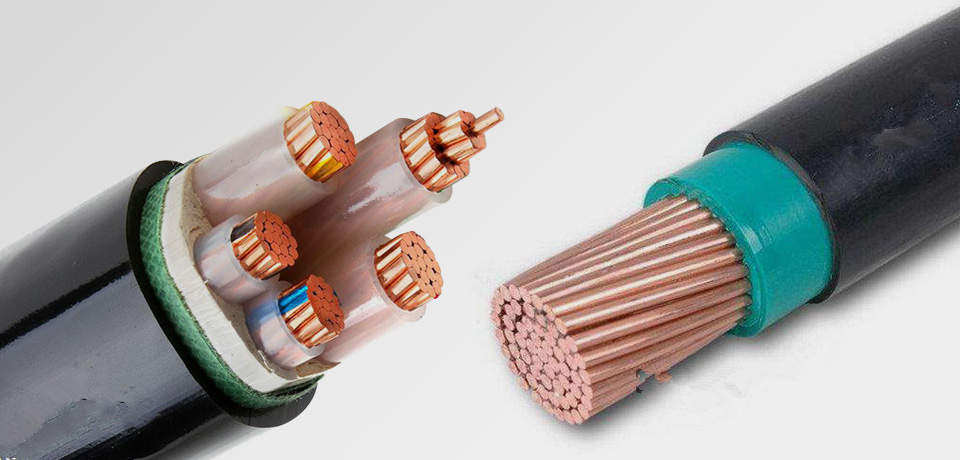
Aluminium Cables
Common in: Long-distance feeders, utility connections
Pros:
Much cheaper per meter
Lightweight
Cost-effective for large sizes
Cons:
Larger size needed for same current
Requires proper lugs & jointing
Higher risk if workmanship is poor
Best used when:
Long cable runs
Budget-sensitive projects
Proper termination tools are available
👉 Aluminium works — but only with correct design and installation.
Copper vs Aluminium Summary
3. Armoured vs Non-Armoured Cables – Do You Really Need Armour?
This decision is about mechanical protection, not electrical performance.
Non-Armoured Cables
Common in: Conduit, trunking, indoor installations
Pros:
Cheaper
Lighter
Easier to pull and install
Cons:
No mechanical protection
Easily damaged if exposed
Best used when:
Installed in conduit or trunking
Indoor environments
No risk of impact or digging
👉 Perfectly safe when installed properly.
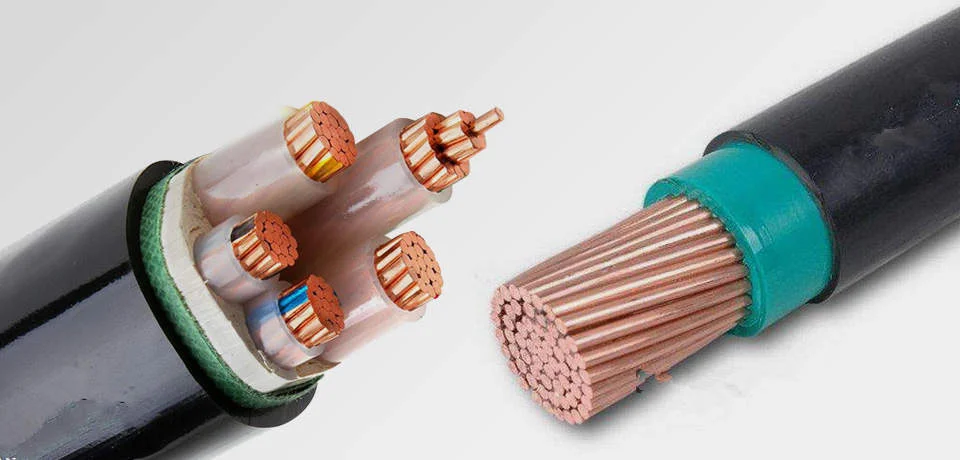
Armoured Cables (SWA / STA)
Common in: Outdoor runs, underground, factories
Pros:
Strong mechanical protection 💪
Suitable for direct burial
Extra safety against impact
Cons:
Higher cost
Heavier and harder to install
Requires proper earthing
Best used when:
Outdoor cable routes
Underground installations
Exposed industrial areas
Risk of physical damage
👉 If the cable is exposed — armour is not optional.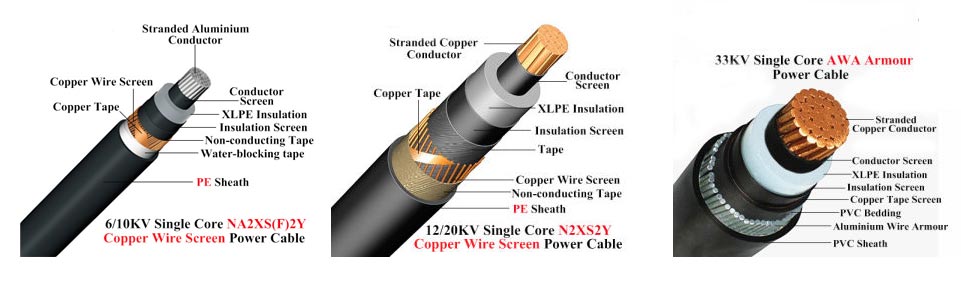
Armoured vs Non-Armoured Summary
4. How Malaysians Usually Get It Right (Real-World Tip)
For most projects in Malaysia:
Homes:
PVC + Copper + Non-ArmouredShops & Offices:
PVC or XLPE + Copper + Non-Armoured (in trunking)Factories & Main Feeders:
XLPE + Copper or Aluminium + Armoured
There is no “one cable fits all” — only correct selection for the appli
5. Final Advice from See Kwong
Cable selection isn’t about buying the most expensive cable.
It’s about choosing the right cable for load, environment, and future use — safely and compliantly.
At See Kwong, we help contractors, electricians, and engineers select:
Correct cable type
Proper sizing
ST-compliant solutions
